Posted on Leave a comment

Universities and Colleges in Bangladesh

Top Universities and Colleges in Bangladesh

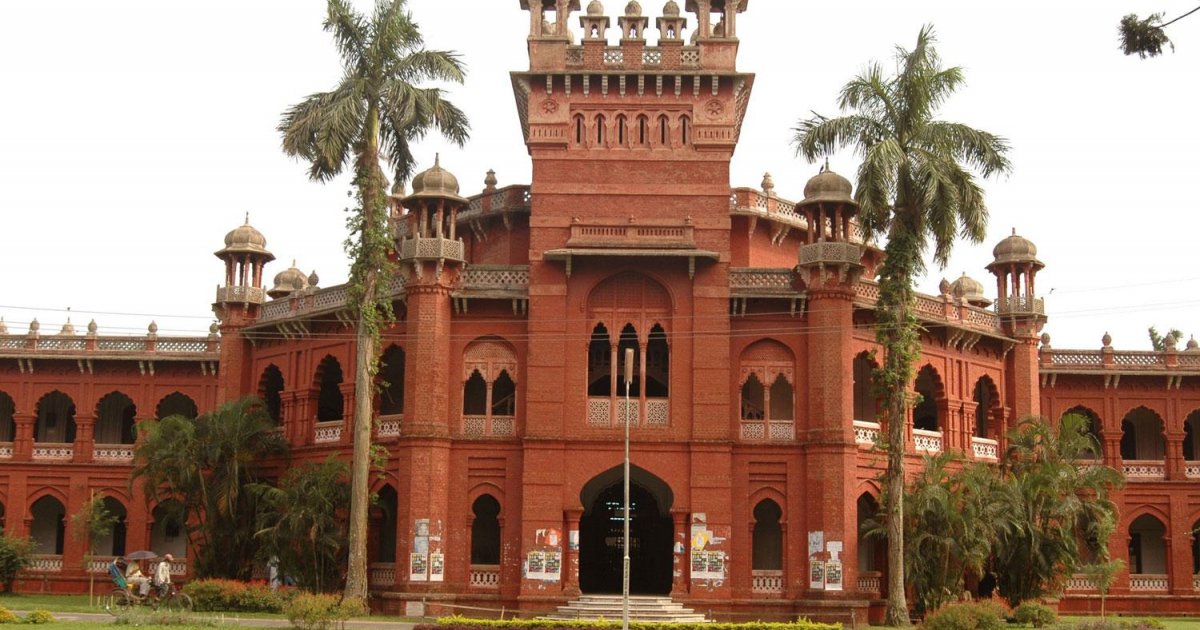
– University of Dhaka, Dhaka
– Jahangirnagar University, Dhaka
– University of Rajshahi, Rajshahi
– University of Chittagong, CU, Chittagong
– Islamic University, Khulna
– Khulna University KU, Khulna
– Jagannath University, Dhaka
– Comilla University, Comilla, Chittagong
– Jatiya Kabi Kazi Nazrul Islam University, Mymensingh
– Bangladesh University of Professionals, Dhaka
– Begum Rokeya University, Rangpur
– University of Barisal, Barisal
– Rabindra University, Sirajganj
– Sheikh Hasina University, Netrokona, Mymensingh
– Bangabandhu Sheikh Mujibur Rahman University, Kishoreganj, Dhaka
– Mujibnagar University, Meherpur, Khulna
– Thakurgaon University TU, Thakurgaon, Rangpur
– Bangabandhu Sheikh Mujibur Rahman University, Naogaon, Rajshahi
– Shahjalal University of Science and Technology SUST, Sylhet
– Hajee Mohammad Danesh Science & Technology University HSTU, Rangpur
– Mawlana Bhashani Science and Technology University MBSTU, Tangail, Dhaka
– Patuakhali Science and Technology University PSTU, Patuakhali Barisal
– Noakhali Science and Technology University NSTU, Noakhali, Chittagong
– Jashore University of Science and Technology, JUST, Jessore, Khulna
– Pabna University of Science and Technology PUST, Pabna, Rajshahi
– Bangabandhu Sheikh Mujibur Rahman Science and Technology University, Dhaka
– Rangamati Science and Technology University RMSTU, Rangamati Chittagong
– Bangamata Sheikh Fojilatunnesa Mujib Science & Technology University, Mymensingh
– Chandpur Science and Technology University CSTU, Chandpur, Chittagong
– Sunamganj Science and Technology University SSTU, Sylhet
– Bogura Science and Technology University BSTU, Bogura Rajshahi
– Lakshmipur Science and Technology University LSTU, Lakshmipur Chittagong
– Bangladesh Agricultural University BAU, Mymensingh
– Sher-e-Bangla Agricultural University SAU, Dhaka
– Sylhet Agricultural University SAU, Sylhet
– Khulna Agricultural University KAU, Khulna
– Habiganj Agricultural University HAU, Habiganj, Sylhet
– Kurigram Agricultural University KuriAU, Kurigram Rangpur
– Bangladesh University of Engineering & Technology BUET, Dhaka
– Military Institute of Science and Technology MIST, Dhaka
– Khulna University of Engineering & Technology KUET, Khulna
– Chittagong University of Engineering & Technology CUET, Chittagong
– Rajshahi University of Engineering & Technology RUET, Rajshahi
– Dhaka University of Engineering & Technology DUET, Gazipur Dhaka

Medical Universities in Bangladesh:

– Bangabandhu Sheikh Mujib Medical University BSMMU, Dhaka
– Chittagong Medical University CMU, Chittagong
– Rajshahi Medical University RMU, Rajshahi
– Sylhet Medical University SMU, Sylhet
– Sheikh Hasina Medical University SHMU, Khulna

Other Universities:

– Chittagong Veterinary and Animal Sciences University CVASU, Chittagong
– Bangladesh University of Textiles BUTEX, Dhaka
– Bangabandhu Sheikh Mujibur Rahman Maritime University BSMRMU, Chittagong
– Bangabandhu Sheikh Mujibur Rahman Digital University BDU, Dhaka
– Bangabandhu Sheikh Mujibur Rahman Aviation and Aerospace University BSMRAAU, Rangpur
– National University Bangladesh NU, Gazipur
– Bangladesh Open University BOU, Gazipur
– Islamic Arabic University IAU, Dhaka

Public Universities in Bangladesh:

– Bangabandhu Sheikh Mujibur Rahman Agricultural University BSMRAU, Gazipur Dhaka
– Satkhira Science and Technology University SASTU, Satkhira, Khulna Division
– Jatir Janak Bangabandhu Sheikh Mujibur Rahman Science and Technology University, Dhaka
– Dr. M A Wazed Miah Agricultural University WMAU, Rajshahi
– Sheikh Hasina Agricultural University SHAU, Shariatpur Dhaka
– Rangpur University of Science and Technology RUST, Thakurgaon Rangpur
– Marine Science University of Barisal MSUB, Barishal
– Michael Madhusudan Cultural University MMCU, Khulna
– Mymensingh Medical University MMU, Mymensingh
– Mymensingh University of Engineering and Technology MUET, Mymensingh
– Bangladesh University of Juridical Sciences BUJS,
– Bangladesh University of Educational Planning and Administration BUEdPA,
– Sylhet Engineering College, Sylhet
– Mymensingh Engineering College Mymensingh
– Faridpur Engineering College DU, Faridpur Dhaka
– Barisal Engineering College BEC, Barisal
– Textile Engineering College, Chittagong
– Pabna Textile Engineering College PTEC, Rajshahi
– Shahid Abdur Rab Serniabat Textile Engineering College SARSTEC, Barisal
– Sheikh Kamal Textile Engineering College, Jhenaidah
– Dr. M A Wazed Miah Textile Engineering College DWMTEC, Rangpur
– Sheikh Rehana Textile Engineering College, Gopalganj
– Sheikh Hasina Textile Engineering College SHTEC, Jamalpur

Private Universities in Bangladesh:

– North South University NSU, Dhaka
– International University of Business Agriculture and Technology IUBAT Dhaka
– Independent University, Bangladesh, Dhaka
– American International University-Bangladesh AIUB, Dhaka
– Dhaka International University DIU Dhaka
– International Islamic University, Chittagong
– Asian University of Bangladesh AUB Dhaka
– East West University EWU Dhaka
– Gono Bishwabidyalay GB Dhaka
– People’s University of Bangladesh PUB Dhaka
– Queens University QU Dhaka
– University of Asia Pacific UAP, Dhaka Dhaka Division
– Chittagong Independent University CIU Chittagong Chittagong Division
– Bangladesh University BU, Dhaka
– BGC Trust University Bangladesh BGCTUB, Chittagong
– BRAC University[81] BRAC, Dhaka
– Manarat International University MIU Dhaka
– Premier University, Chittagong PU Chittagong
– Southern University, Bangladesh, Chittagong
– Sylhet International University SIU Sylhet
– University of Development Alternative UODA, Dhaka
– City University, Bangladesh CUB, Dhaka
– Daffodil International University DIU, Dhaka
– Green University of Bangladesh GUB, Dhaka
– IBAIS University IU, Dhaka
– Leading University LU, Sylhet
– Northern University, Bangladesh NUB Dhaka
– Prime University PU, Dhaka
– Southeast University SEU, Dhaka
– Stamford University Bangladesh SU, Dhaka
– State University of Bangladesh, Dhaka
– Eastern University, Bangladesh, EU Dhaka
– Metropolitan University, MU Sylhet
– Millennium University MU, Dhaka
– Primeasia University PAU, Dhaka
– Royal University of Dhaka RUD, Dhaka
– United International University UIU, Dhaka
– University of Information Technology and Sciences UITS, Dhaka
– University of South Asia, Bangladesh USAB, Dhaka
– Presidency University PU, Dhaka
– Uttara University UU, Dhaka
– Victoria University of Bangladesh VUB, Dhaka
– World University of Bangladesh WUB, Dhaka
– Asa University Bangladesh ASAUB, Dhaka
– Bangladesh Islami University BIU, Dhaka
– East Delta University EDU, Chittagong
– Northern University of Business and Technology Khulna
– Britannia University BU, Comilla Chittagong
– Feni University FU, Feni Chittagong
– Khwaja Yunus Ali University KYAU, Rajshahi
– European University of Bangladesh EUB, Dhaka
– First Capital University Of Bangladesh FCUB, Khulna
– BGMEA University of Fashion & Technology BUFT, Dhaka
– Hamdard University Bangladesh HUB, Dhaka
– Ishakha International University IIUB, Kishoreganj Dhaka
– North East University Bangladesh NEUB, Sylhet
– North Western University, Bangladesh NWU, Khulna
– Port City International University PCIU, Chittagong
– Varendra University VU, Rajshahi
– Sonargaon University SU, Dhaka
– Cox’s Bazar International University CBIU, Chittagong
– Fareast International University FIU, Dhaka
– German University Bangladesh GUB, Gazipur Dhaka
– North Bengal International University NBIU, Rajshahi
– Notre Dame University Bangladesh, NDUB Dhaka
– Ranada Prasad Shaha University RPSU Narayanganj Dhaka
– Sheikh Fazilatunnesa Mujib University SFMMU, Jamalpur Mymensingh
– Times University Bangladesh TMUB, Faridpur Dhaka
– Canadian University of Bangladesh CUB, Dhaka
– Global University Bangladesh GUB, Barisal
– NPI University of Bangladesh NPIUB, Manikganj Dhaka
– Rabindra Maitree University RMU Khulna
– The International University of Scholars Dhaka
– University of Creative Technology Chittagong UCTC, Chittagong
– Anwer Khan Modern University AKMU, Dhaka
– University of Global Village UIGV, Barisal
– Trust University, Barishal TUB, Barisal
– University of Brahmanbaria UOB Chittagong
– University of Skill Enrichment and Technology USET, Dhaka
– International Standard University ISU Dhaka
– ZNRF University of Management Sciences ZUMS Dhaka
– Bandarban University BU Chittagong
– RTM Al-Kabir Technical University RTM-AKTU Sylhet
– University of Science & Technology Chittagong USTC, Chittagong
– Ahsanullah University of Science and Technology AUST, Dhaka
– Pundra University of Science and Technology PDUST, Rajshahi
– Bangladesh University of Business and Technology BUBT, Dhaka
– Atish Dipankar University of Science and Technology ADUST Dhaka
– ZH Sikder University of Science & Technology ZHSUST, Dhaka
– Rajshahi Science & Technology University RSTU Rajshahi
– Bangladesh Army International University of Science & Technology BAIUST, Comilla Chittagong
– Bangladesh Army University of Science and Technology BAUST, Rangpur
– CCN University of Science & Technology CCNUST, Comilla Chittagong
– Central University of Science and Technology, CUST Dhaka
– Central Women’s University CWU, Dhaka
– Shanto-Mariam University of Creative Technology SMUCT Dhaka
– University of Liberal Arts Bangladesh ULAB, Dhaka
– Bangladesh University of Health Sciences BUHS Dhaka
– Exim Bank Agricultural University Bangladesh EBAUB, Rajshahi
– Bangladesh Army University of Engineering & Technology BAUET, Rajshahi
– Tagore University of Creative Arts TUCA, Dhaka

Posted on Leave a comment

SX1 Visa Journey to Canada: Eligibility, Success Ratio, and Age Criteria

Are you dreaming of embarking on a new adventure in Canada? The SX1 visa might just be your ticket to turning that dream into reality! In this comprehensive guide, we’ll walk you through everything you need to know about the SX1 visa, from the essential requirements to the ins and outs of the approval process, and the age limits you need to keep in mind.

Understanding the SX1 Visa:

The SX1 visa, also known as the Skilled Worker Visa, is designed for individuals who possess specific skills and qualifications that are in demand in Canada. Whether you’re a skilled professional, a trades person, or a graduate with specialized expertise, this visa could be your pathway to living and working in the Great White North.

Eligibility for SX1 Visa:

To qualify for the SX1 visa, you’ll need to meet certain criteria set by the Canadian immigration authorities. These typically include having a job offer from a Canadian employer, possessing the necessary skills and qualifications for the position, and demonstrating proficiency in English or French, Canada’s official languages.

Additionally, you may be required to undergo a medical examination and obtain a police clearance certificate to prove that you’re admissible to Canada.

SX1 Visa Success Ratio:

While the SX1 visa offers an exciting opportunity to start a new life in Canada, it’s essential to understand that the approval process can be competitive. Factors such as the demand for your specific skills, the strength of your job offer, and your ability to meet the visa requirements can all influence your chances of approval.

However, with careful preparation and attention to detail, many applicants successfully navigate the process and receive their SX1 visas to Canada.

SX1 Visa Age Limit:

One crucial aspect of the SX1 visa application is the age limit requirement. While there is no specific age cutoff for the SX1 visa, Canadian immigration authorities typically favor younger applicants. This is because younger individuals are often perceived as having a greater capacity to adapt to life in Canada and contribute to the country’s workforce and economy.

Therefore, if you’re considering applying for the SX1 visa, it’s advisable to do so at a relatively young age to maximize your chances of approval.

The SX1 visa presents an incredible opportunity for skilled professionals and individuals with specialized expertise to make Canada their new home. By understanding the essential requirements, gaining insight into the approval process, and considering age limit factors, you can position yourself for success in your SX1 visa journey.

With RKIMT expertise and support, obtaining the SX1 visa for Canada can be a smooth and stress-free experience. Don’t let the complexities of the application process hold you back from pursuing your overseas dream. Contact RKIMT Consultancy today and take the first step towards unlocking your future in Canada!

So, if you’re ready to take the next step towards realizing your Canadian dream, start preparing your SX1 visa application today!

Posted on Leave a comment

Universities and Colleges in Nepal | Study in Nepal

Top Universities and Colleges in Nepal:

– Tribhuvan University (त्रिभुवन विश्वविद्यालय ), Kirtipur, Kathmandu
– Purbanchal University (पूर्वाञ्चल विश्वविद्यालय ), Biratnagar Morang
– Pokhara University (पोखरा विश्वविद्यालय ), Pokhara
– Kathmandu University (काठमाडौँ विश्वविद्यालय ), Dhulikhel
– Nepal Sanskrit University (नेपाल संस्कृत विश्वविद्यालय), Beljhundi, Dang, Nepal
– Sudurpaschim University (सुदूरपश्चिम विश्वविद्यालय ), Bhimdatta, Kanchanpur
– Madhyapaschim University (मध्यपश्चिम विश्वविद्यालय ), Birendranagar, Surkhet
– Agriculture and Forestry University (कृषि तथा वन विश्वविद्यालय ), Rampur, Chitwan
– Lumbini Bouddha University (लुम्बिनी विश्वविद्यालय ), Lumbini, Rupandehi
– Nepal Open University (नेपाल खुला विश्वविद्यालय), Lalitpur
– Rajarshi Janak University (राजर्षि जनक विश्वविद्यालय), Janakpur, Dhanusha
– Manmohan Technical University (मनमोहन प्राविधिक विश्वविद्यालय ), Budiganga, Morang
– Madhesh Agriculture University (मधेश कृषि विश्वविद्यालय), Rajbiraj, Saptari
– Madhesh University (मधेश विश्वविद्यालय ), Birgunj, Parsa
– Madan Bhandari University of Science and Technology (मदन भण्डारी विज्ञान तथा प्रविधि विश्वविद्यालय ), Chitlang, Makwanpur
– Gandaki University (गण्डकी विश्वविद्यालय ), Pokhara, Kaski
– Lumbini Technological University (लुम्बिनी प्राविधिक विश्वविद्यालय ), Khajura-8, Raniyapur, Banke
– B.P. Koirala Institute of Health Sciences Nepal (BPKIHS), Dharan,Sunsari
– Patan Academy of Health Science (PAHS), Patan,Lalitpur
– Karnali Academy of Health Sciences (KAHS), Jumla,Karnali
– Madhesh Institute of Health Sciences (MIHS), Janakpur,Dhanusha

Medical Colleges in Nepal:

  • Institute of Medicine (IOM), Maharajgunj, Kathmandu
  • Universal College of Medical Sciences (UCMS), Siddharthanagar
  • Janaki Medical College and Teaching Hospital (JMCTH), Janakpur
  • National Medical College (NMCTH), Birgunj
  • KIST Medical College and Teaching Hospital (KIMCTH), Imadol Lalitpur
  • Chitwan Medical College (CMC), Bharatpur, Chitwan
  • Gandaki Medical College (GMC), Pokhara, Kaski
  • Nepalese Army Institute of Health Sciences (NAIHS), Sanobharyang, Kathmandu
  • Manipal College of Medical Sciences (MCOMS), Lamachaur, Pokhara
  • College of Medical Sciences(COMS), Bharatpur
  • Kathmandu Medical College (KMC), Sinamangal, Kathmandu
  • Nepalgunj Medical College (NGMC), Kohalpur
  • Nepal Medical College and Teaching Hospital (NMC), Jorpati, Kathmandu
  • Kathmandu University School of Medical Sciences (KUSMS), Dhulikhel
  • Nobel Medical College Teaching Hospital(NoMCTH), Biratnagar
  • Lumbini Medical College, Tansen
  • Birat Medical College Teaching Hospital (BMCTH), Biratnagar
  • National Academy of Medical Sciences (NAMS), Tundikhel, Kathmandu
  • Pokhara Academy of Health Science (PAHS), Pokhara, Kaski
  • B.P. Koirala Institute of Health Sciences (BPKIHS), Dharan
  • Patan Academy of Health Sciences (PAHS), Lagankhel, Lalitpur
  • Rapti Academy of Health Sciences (RAHS), Ghorahi, Dang
  • Karnali Academy of Health Sciences (KAHS), Chandannath, Jumla
  • Madhesh Institute of Health Sciences (MIHS), Janakpurdham
  • B & C Medical College Teaching Hospital and Research Center, Birtamode, Jhapa
Posted on Leave a comment

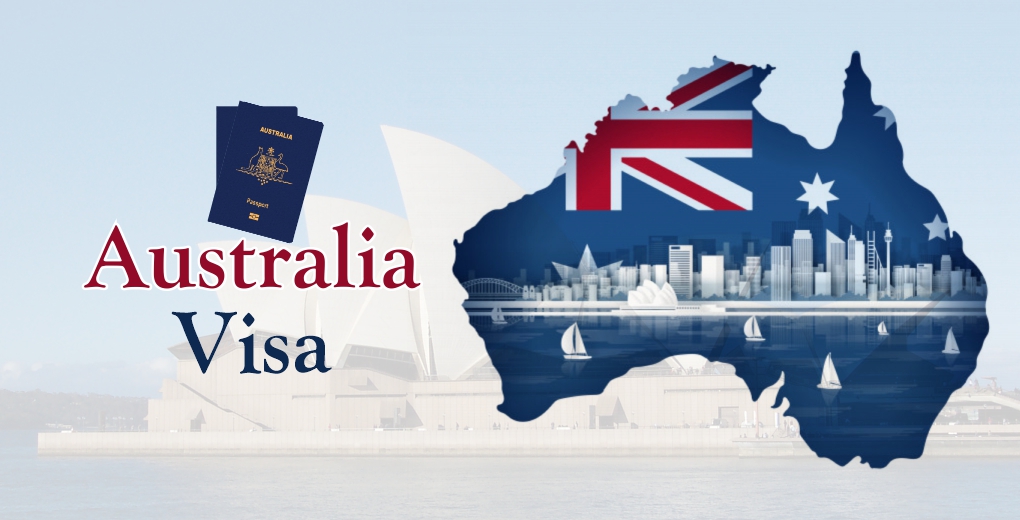
Australia Visa: A Complete Guide to Types of Visas

Australia, with its stunning landscapes, diverse wildlife, and vibrant cities, attracts millions of visitors each year. Whether you’re planning a holiday, pursuing higher education, seeking employment opportunities, or looking to reunite with family, understanding the visa requirements and options available is crucial. In this comprehensive guide, we’ll explore the various types of visas for Australia and provide essential information to help you navigate the application process smoothly.

1. Australia Visitor Visa:

  •  Australia Visitor (Tourist) Visa (Subclass 600): This visa allows individuals to visit Australia for tourism, visiting family and friends, or other short-term non-work purposes.
  • Australia Electronic Travel Authority (ETA) (Subclass 601): ETA is available to passport holders from eligible countries and allows for short-term visits for tourism or business purposes.
  •  Australia eVisitor (Subclass 651): Similar to ETA, eVisitor is available to passport holders from certain countries and allows for tourism or business visits for up to three months.

2. Australia Student Visa:

  • Australia Student Visa (Subclass 500): For individuals seeking to study full-time in Australia at an accredited educational institution.

3. Australia Work Visa:

  • Australia Temporary Skill Shortage Visa (Subclass 482): Formerly known as the 457 visa, this allows skilled workers to come to Australia and work for an approved employer for up to four years.
  • Australia Skilled Independent Visa (Subclass 189): For skilled workers who are not sponsored by an employer, a state, or a family member. This visa allows permanent residence.
  • Australia Employer Nomination Scheme (Subclass 186): This visa allows skilled workers nominated by their employer to live and work in Australia permanently.

4. Australia Family Visa:

  • Australia Partner Visa (Subclasses 820 and 801): For individuals who are married to, or in a de facto relationship with, an Australian citizen, permanent resident, or eligible New Zealand citizen.
  • Australia Parent Visa (Subclasses 103, 804, 143, 173): For parents of Australian citizens, permanent residents, or eligible New Zealand citizens.

5. Other Visas:

  • Australia Business Innovation and Investment Visa (Subclasses 188 and 888): For individuals with business skills who want to establish, develop, or manage a new or existing business in Australia.
  • Australia Refugee and Humanitarian Visas: For individuals seeking asylum or resettlement in Australia due to persecution or humanitarian concerns.

Application Process:

– Determine the type of visa that best suits your purpose and eligibility.
– Prepare all required documentation, such as identification, proof of finances, health assessments, and character documents.
– Lodge your application online through the Department of Home Affairs website or through a registered migration agent.
– Pay the relevant application fees and await a decision on your visa application.
– If granted, adhere to the visa conditions and comply with Australian laws during your stay.

Conclusion:

Navigating the Australian visa system may seem daunting, but with the right information and preparation, you can successfully obtain the visa that aligns with your intentions for visiting or residing in Australia. Whether you’re a tourist, student, skilled worker, or family member, Australia offers a range of visa options to accommodate various circumstances and aspirations. By understanding the requirements and following the application process diligently, you can embark on your journey to experience all that Australia has to offer.

Read more: ( Pathway to Australia Permanent Residence for Engineers )

Posted on Leave a comment

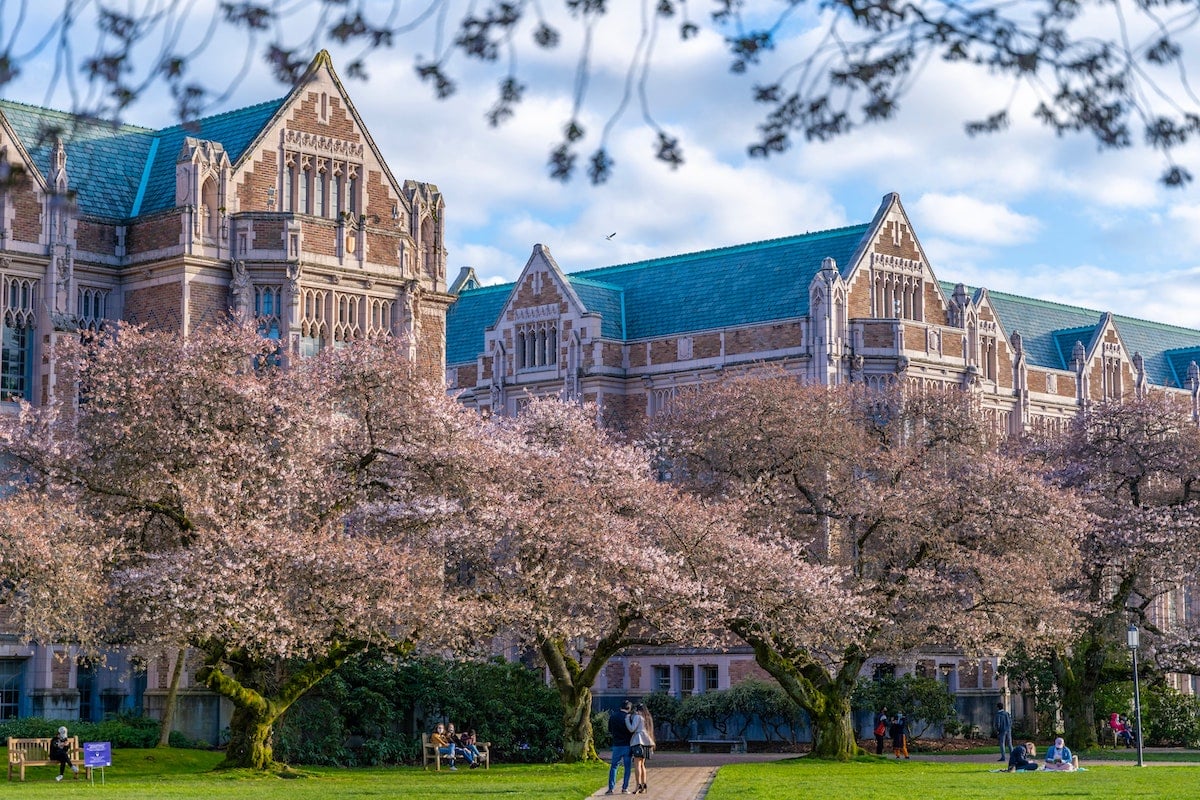
Universities and Colleges in Washington USA

Top universities and colleges in Washington USA

1. University of Washington, Seattle, Washington
2. Washington State University, Pullman, Washington
3. Howard University, Washington, Washington
4. Gonzaga University, Spokane, Washington
5. Seattle University, Seattle, Washington
6. Seattle Pacific University, Seattle, Washington
7. Western Washington University, Bellingham, Washington
8. City University of Seattle, Seattle, Washington
9. Washington State University- Tri-Cities Campus, Richland, Washington
10. Eastern Washington University, Cheney, Washington
11. Central Washington University, Ellensburg, Washington
12. Washington State University – Vancouver Campus, Vancouver, Washington
13. Saint Martin’s University, Lacey, Washington
14. The Art Institute of Seattle, Seattle, Washington
15. Whitworth University, Spokane, Washington
16. Washington State University – Spokane Campus, Spokane, Washington
17. Shoreline Community College, Shoreline, Washington
18. Seattle Colleges, Seattle, Washington
19. North Seattle Community College, Seattle, Washington
20. Lake Washington Institute of Technology, Kirkland, Washington
21. Green River College, Auburn, Washington
22. University of Washington – Tacoma, Tacoma, Washington
23. Edmonds Community College, Lynnwood, Washington
24. Walla Walla Community College, Walla Walla, Washington
25. Walla Walla University, Walla Walla, Washington
26. The Evergreen State College, Olympia, Washington
27. Washington State University – Everette Campus, Everett, Washington
28. Centralia College, Centralia, Washington
29. Strayer University, Washington, Washington
30. The Catholic University of America, Washington, Washington

Also read: Universities and Colleges in California

Posted on Leave a comment

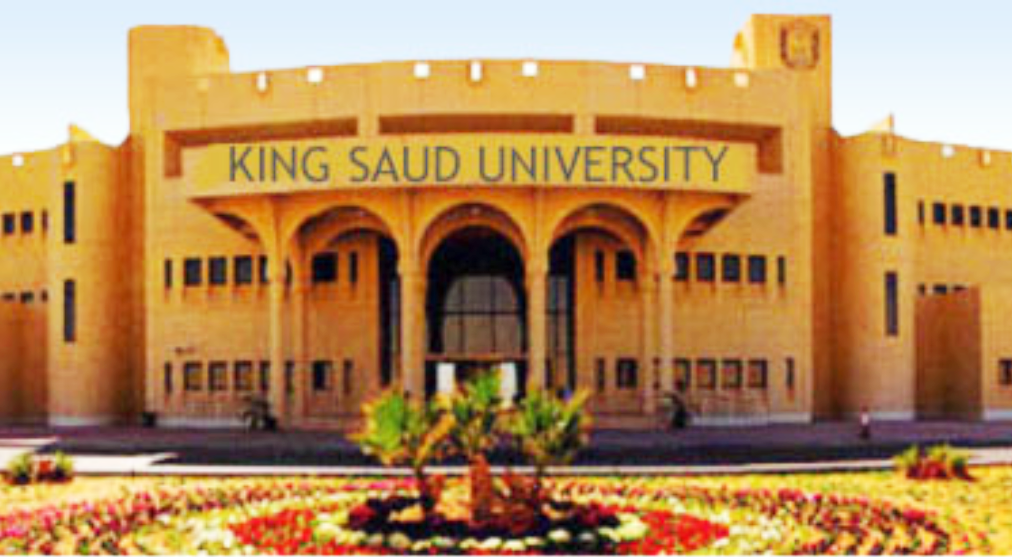
Universities and Colleges in Saudi Arabia

Top universities and colleges in Saudi Arabia –

  • King Saud University, Riyadh
  • Princess Nora bint Abdul Rahman University, Riyadh
  • Imam Muhammad bin Saud Islamic University, Riyadh
  • Prince Sultan University, Riyadh
  • College of Telecom & Information, Riyadh
  • Arab Open University, Riyadh
  • Riyadh College of Dentistry and Pharmacy, Riyadh
  • Al Yamamah University, Riyadh
  • Dar Al Uloom University, Riyadh
  • King Saud bin Abdulaziz University for Health Sciences, Riyadh
  • Alfaisal University, Riyadh
  • Arab East Colleges, Riyadh
  • AlMaarefa University 2008 Riyadh
  • Prince Sattam Bin Abdulaziz University, Al Kharj
  • Al Farabi College of Dentistry and Nursing, Riyadh
  • Technical Trainers College, Riyadh
  • Majmaah University, Majmaah
  • Shaqra University, Shaqra
  • Saudi Electronic University, Riyadh Macca Region
  • King Saud bin Abdulaziz University for Health Sciences, Jeddah Campus
  • King Abdulaziz University, Jeddah
  • Umm Al-Qura University, Mecca
  • Leadership Community College, Jeddah
  • Jeddah College of Technology, Jeddah
  • Effat University, Jeddah
  • Dar Al-Hekma College, Jeddah
  • Fakeeh College for Medical Sciences, Jeddah
  • College of Business Administration (CBA), Jeddah
  • Prince Sultan Aviation Academy, Jeddah
  • Taif University, Taif
  • Taif College of Technology, Taif
  • Batterjee Medical College, Jeddah
  • Arab Open University, Jeddah
  • Prince Sultan College For Tourism and Business, Jeddah
  • King Abdullah University of Science and Technology, Thuwal
  • Jeddah Teacher’s College, Jeddah
  • College of Telecom & Electronics, Jeddah
  • Jeddah International College, Jeddah
  • Jeddah College of Health Care, Jeddah
  • Ibn Sina National College for Medical Studies, Jeddah
  • University of Jeddah, Jeddah
  • Prince Mohammad bin Salman College of Business and Entrepreneurship, Medina Region
  • Islamic University of Medina, Medina
  • Yanbu Industrial College, Yanbu
  • Al-Madinah College of Technology, Medina
  • Taibah University, Medina
  • Yanbu University College, Yanbu
  • Madinah Institute for Leadership and Entrepreneurship (MILE), Medina
  • Prince Mugrin University, Medina
  • Mohammed Almana college of Medical sciences, As safa, Dammam
  • Dammam College of Technology, Dammam
  • Dammam Community College, Dammam
  • Al Ahsa College of Technology, Al Ahsa
  • King Fahd University for Petroleum and Minerals, Dhahran
  • Imam Abdulrahman Bin Faisal University, Dammam
  • King Faisal University, Al Ahsa
  • Jubail Industrial College, Jubail
  • Prince Sultan Military College of Health Sciences, Dhahran
  • University of Hafr Albatin, Hafr Al-Batin
  • Jubail Technical Institute, Jubail
  • University College of Jubail, Jubail
  • Qatif College of Technology, Qatif
  • University of Hafr al Batin, Hafr al Batin
  • Arab Open University, Dammam
  • Prince Mohammad University, Khobar
  • Al-Kharj University, Al-Kharj
  • King Khalid University, Abha, Asir Region
  • IBN Rushd College for Management Sciences, Abha, Asir Region
  • College of Food and Environment Technology in Buraydah, Buraydah, Al Qassim Region
  • Qassim University, Al-Qassim
  • Sulaiman Al Rajhi University, Bakireya
  • Al Jawf University, Sakakah, Al Jawf Region
  • Jazan University, Jizan, Jizan Region
  • University of Hail, Ha’il
  • Al Baha University, Al-Baha
  • Najran University, Najran
  • Northern Borders University, Arar
  • Tabuk University, Tabuk
  • Fahd bin Sultan University, Tabuk
  • Institute of Public Administration, Riyadh, Jeddah, Mecca, Dammam

Also read – Universities and Colleges in Dubai UAE

Posted on Leave a comment

IELTS – The International English Language Testing System

What is the IELTS?
The International English Language Testing System (IELTS) is a standardized test designed to evaluate the English language proficiency of non-native English speakers. It assesses four key language skills: Listening, Reading, Writing, and Speaking.

IELTS Pattern:
1. Listening: Assessing your ability to understand spoken English in various contexts, such as everyday conversations, lectures, and discussions.
2. Reading: Evaluating your comprehension skills through passages from books, newspapers, magazines, and academic journals.
3. Writing: Testing your ability to express ideas clearly and coherently, with tasks including essay writing and report summarization.
4. Speaking: Examining your spoken English skills by engaging in face-to-face conversations with a certified examiner.

How to Prepare for the IELTS:
1. Understand the Test Format: Familiarize yourself with the test structure, question types, and timing for each section.
2. Practice Regularly: Utilize official IELTS practice materials and sample tests to hone your skills in each section.
3. Develop Language Skills: Enhance your vocabulary, grammar, and pronunciation through reading, listening to English media, and engaging in conversations.
4. Take Practice Tests: Simulate test conditions by taking full-length practice tests to build stamina and identify areas for improvement.

Why is the IELTS Important?
1. Study Abroad: Many universities and colleges in English-speaking countries require IELTS scores as part of their admission criteria for international students.
2. Work Opportunities: Some employers in English-speaking countries may require IELTS scores as proof of English proficiency for job applications.
3. Immigration Purposes: Several countries use IELTS scores as part of their immigration process, assessing language proficiency for visa applications.

Which Countries Accept IELTS:

IELTS is widely accepted in over 140 countries, including:
– Canada
– Australia
– United Kingdom
– United States
– New Zealand

Which types of visas require IELTS?
1. Student Visas: Many educational institutions require IELTS scores for admission to academic programs.
2. Work Visas: Some countries may require IELTS scores as part of the visa application process for skilled migration or work permits.
3. Permanent Residency: IELTS scores may be required as proof of language proficiency for permanent residency applications in certain countries.

Mastering the IELTS exam opens doors to academic, professional, and immigration opportunities worldwide, making it an essential step for individuals seeking to demonstrate their English language proficiency on a global scale.

Posted on Leave a comment

LMIA – Labour Market Impact Assessment

In the realm of Canadian immigration, the Labour Market Impact Assessment (LMIA) holds significant weight. It’s a crucial step for Canadian employers looking to hire foreign workers and for those workers seeking employment opportunities in Canada. Let’s break down what an LMIA is and why it matters.

What is an LMIA?

The LMIA, administered by Employment and Social Development Canada (ESDC), is a document that assesses the impact of hiring a foreign worker on the Canadian labor market. It ensures that hiring a foreign worker will not negatively affect Canadian workers’ job opportunities or wages.

Why is an LMIA Important?

  • Protecting Canadian Workers: The primary goal of the LMIA is to safeguard the Canadian job market and ensure that Canadian citizens and permanent residents have first access to available job opportunities.
  • Assessing Labour Market Needs: The assessment considers various factors such as job shortages, regional labor demands, and specific skills required for certain positions.
  • Employer Compliance: It ensures that employers comply with Canadian labor laws and standards, including offering fair wages and working conditions to both Canadian and foreign workers.

How to apply for LMIA

  • Employer Application: The employer applies for an LMIA, providing detailed information about the job vacancy, the efforts made to hire Canadian citizens or permanent residents, and the need for hiring a foreign worker.
  • ESDC Assessment: ESDC evaluates the application based on various criteria, including the impact on the Canadian labor market, the genuineness of the job offer, and compliance with employment standards.
  • Decision: ESDC may grant or refuse the LMIA based on its assessment. If approved, the employer receives a positive LMIA, allowing them to proceed with hiring a foreign worker.
  • Worker’s Application: With a positive LMIA, the foreign worker can apply for a work permit from Immigration, Refugees and Citizenship Canada (IRCC), demonstrating they have a job offer supported by an LMIA.

Conclusion

The LMIA process is essential for maintaining the integrity of the Canadian labor market while also providing opportunities for skilled foreign workers to contribute to the country’s economy. Understanding the LMIA process is crucial for both employers and foreign workers seeking employment in Canada, ensuring compliance with regulations and fostering a fair and inclusive workforce.


Posted on Leave a comment

Pathway to Australia Permanent Residence for Engineers

Are you an engineer dreaming of making Australia your permanent home? Australia offers a straightforward pathway to permanent residency for skilled engineers through various visa programs. In this guide, we’ll walk you through what options are available, how to qualify, eligibility criteria, the application process, associated fees, and essential requirements.

What Are the Options?

Australia offers several visa pathways for skilled engineers to obtain permanent residency:

1. Skilled Independent Visa (Subclass 189): This visa is for skilled workers who are not sponsored by an employer, a state or territory, or a family member. It is a points-based visa, and engineers with occupations listed on the Skilled Occupation List (SOL) can apply.
2. Skilled Nominated Visa (Subclass 190): This visa is for skilled workers who are nominated by a state or territory government. Engineers must have their occupation listed on the relevant state or territory’s occupation list and meet their specific nomination criteria.
3. Employer Nomination Scheme (Subclass 186): This visa allows skilled workers nominated by their Australian employer to live and work permanently in Australia. Engineers may qualify for this visa if they have a job offer from an Australian employer.

How to Qualify
To qualify for permanent residency as an engineer in Australia, you typically need to meet the following criteria:

– Have a relevant engineering qualification recognized by Engineers Australia.
– Demonstrate a minimum level of English proficiency through language tests such as IELTS or equivalent.
– Obtain a positive skills assessment from Engineers Australia.
– Meet the points requirement for the chosen visa subclass (e.g., Subclass 189 or 190).
– Meet any additional criteria specific to the visa subclass, such as state nomination or employer sponsorship.

Eligibility Criteria
Eligibility criteria for engineers seeking permanent residency in Australia may include:

– Relevant engineering qualifications from a recognized institution.
– Work experience in the engineering field.
– English language proficiency (minimum scores required may vary).
– Age requirements (typically under 45 years).
– Health and character assessments.

Application Process
The application process for Australia permanent residency for engineers involves the following steps:
1. Skills Assessment: Obtain a skills assessment from Engineers Australia to confirm your qualifications and work experience meet the Australian standards.
2. Submit Expression of Interest (EOI): Create and submit an EOI through the SkillSelect system, indicating your interest in applying for a skilled visa.
3. Receive Invitation to Apply: If you meet the eligibility criteria and score sufficient points, you may receive an invitation to apply for the desired visa subclass.
4. Lodge Visa Application: Submit a complete visa application along with supporting documents, including your skills assessment, English language test results, and other relevant documents.
5. Wait for Visa Decision: After lodging your application, wait for the Department of Home Affairs to process your application and make a decision on your visa.
6. Receive Visa Grant: If your application is successful, you will receive a visa grant notification, allowing you and your family to move to Australia as permanent residents.

Fees:
Fees associated with applying for Australia permanent residency for engineers may include:
– Skills assessment fee charged by Engineers Australia.
– Visa application charges, which vary depending on the visa subclass and the number of applicants included in the application.
– Other costs such as medical examinations, police clearance certificates, and migration agent fees if applicable.

Requirements
Key requirements for engineers applying for Australia permanent residency include:

– Relevant engineering qualifications from a recognized institution.
– Positive skills assessment from Engineers Australia.
– Minimum English language proficiency scores as required by the visa subclass.
– Meet the points threshold for the chosen visa subclass.
– Meet any additional criteria specified by the Department of Home Affairs or relevant state/territory government.

By meeting these requirements and following the application process diligently, engineers can pave a smooth pathway to permanent residency in Australia, enjoying the benefits of living and working in this vibrant country. read more: Universities and colleges in Australia

Posted on Leave a comment

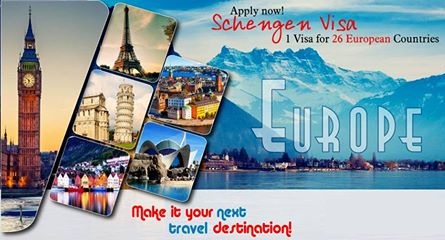
Schengen Visa for Indians: A Complete Guide

Dreaming of exploring the charming cobblestone streets of Paris, savoring gelato in Rome, or gazing in awe at the architectural wonders of Barcelona? Look no further than the Schengen Visa – your key to unlocking the treasures of Europe. Designed to facilitate seamless travel within the Schengen Area, this visa offers Indian citizens the opportunity to traverse across 26 European countries with ease and convenience. Here’s everything you need to know about the Schengen Visa, from application procedures to eligibility criteria and beyond.

*What is the Schengen Visa?*

The Schengen Visa is a travel document that grants Indian citizens entry to the Schengen Area – a zone comprising 26 European countries that have abolished internal borders for the free and unrestricted movement of people. Whether you’re planning a whirlwind tour of Europe’s iconic cities or a leisurely exploration of its picturesque countryside, the Schengen Visa simplifies travel logistics by allowing entry to multiple countries with a single visa.

*How to Apply for the Schengen Visa*

1. *Choose the Appropriate Visa Type*: Determine the purpose of your visit – whether it’s tourism, business, or visiting friends and family – and select the corresponding Schengen Visa category.

2. *Gather Required Documents*: Compile essential documents including a valid passport, completed visa application form, recent passport-sized photographs, travel itinerary, proof of accommodation, travel insurance, and financial documents demonstrating sufficient funds to cover your trip.

3. *Submit Application*: Schedule an appointment at the designated visa application center or embassy/consulate of the country you intend to visit. Submit your application along with the required documents, and pay the applicable visa fee.

4. *Attend Visa Interview (if required)*: Depending on the country’s regulations, you may be required to attend a visa interview to further assess the purpose of your visit and your eligibility for the Schengen Visa.

5. *Await Decision*: After submitting your application, await the processing of your visa. The processing time may vary depending on the country and the volume of applications received.

6. *Collect Visa*: Once your visa application is approved, collect your passport with the Schengen Visa affixed to it from the designated visa application center or embassy/consulate.

*Countries Covered by the Schengen Visa*

The Schengen Visa grants access to 26 European countries within the Schengen Area, including popular travel destinations such as France, Italy, Spain, Germany, Greece, and more. Whether you’re craving cultural immersion, culinary delights, or breathtaking landscapes, the Schengen Area offers a diverse array of experiences to suit every traveler’s preferences.

*Eligibility Criteria*

To be eligible for the Schengen Visa, Indian travelers must meet the following criteria:

1. Valid Indian citizenship.
2. Passport with a minimum validity of three months beyond the intended duration of stay.
3. Clear purpose of visit (tourism, business, etc.).
4. Proof of sufficient funds to cover travel expenses.
5. Intention to leave the Schengen Area before the visa expires.
6. Travel insurance covering medical emergencies and repatriation with a minimum coverage of €30,000.

*Why Choose the Schengen Visa?*

1. *Multi-Destination Travel*: With a single Schengen Visa, you can explore multiple European countries without the hassle of obtaining separate visas for each destination.

2. *Convenience*: The Schengen Visa simplifies travel logistics by eliminating the need for border checks within the Schengen Area, allowing for seamless movement across countries.

3. *Cultural Riches*: From historic landmarks to artistic masterpieces, Europe boasts a rich tapestry of culture and heritage waiting to be explored. The Schengen Visa grants you access to this cultural treasure trove.

4. *Scenic Beauty*: Whether it’s the snow-capped peaks of the Swiss Alps, the azure waters of the Mediterranean coast, or the rolling vineyards of Tuscany, Europe’s natural landscapes offer unparalleled beauty and diversity.

In conclusion, the Schengen Visa presents Indian travelers with a golden opportunity to immerse themselves in the rich tapestry of Europe’s cultural, historical, and natural wonders. With its seamless application process, extensive coverage, and myriad travel opportunities, the Schengen Visa is your ticket to an unforgettable European adventure. Apply for your Schengen Visa today and embark on a journey of discovery across the continent’s enchanting landscapes and vibrant cities.